

If you ask most business owners where they spend their marketing energy, you might expect them to say social media, ads, or SEO. While all of those are valuable, there’s one tool that consistently outperforms the rest when it comes to conversions, loyalty, and long-term results.
Email newsletters
It might not feel as current and immediate as TikTok or as reliable as traditional ads, but when you look at performance, email wins almost every time.
In this blog, we’re taking a look at why every business (large or small) should be taking newsletters seriously.
1. Email Isn’t Controlled by Algorithms
Social media can be a brilliant way to interact with customers, and we’ve all heard stories of a viral post catapulting a small business to overnight success. However, the algorithms that decide where and how your posts show up are totally out of your control.
Your carefully crafted content can disappear into the void, because a platform decided to show it to only 2% of your audience. You can get suspended or even banned if your content is flagged as dubious in some way. With AI moderation on the rise, it’s not uncommon for completely innocent content to be labelled as “bad” incorrectly; so there’s no way to even protect yourself against this. You could log on tomorrow to find your picture of a pink vase has been judged as nudity, and your account deleted. It’s scary to think that all the time and effort you have spent building up a following could be gone just like that.
With email, that doesn’t happen. When you hit “send,” it goes straight to their inbox. What’s more, mailing list software is often designed to help you get past spam filters and reach as many people as possible by using authenticated servers and encouraging good email practice.
2. Your List Is Full of People Already Interested in You
Email lists are naturally self-selecting. People generally don’t sign up for newsletters unless they genuinely want to follow your brand, your offers, or your content. That means:
- You are definitely talking to the right audience, who already value what you offer
- No competing for attention with other brands, which is great if you aren’t a natural at eye-catching social media posts
- No having to target demographics or guess who might be a good fit
Immediately, you’re starting with far better chances that the people who see your message will find it useful and interesting. While investing in online ads can feel risky, spending time and effort on your emails that will definitely be seen by the right people seems like a no brainer.
3. You Can Segment Your List for Precision Targeting
This is where email becomes incredibly powerful, especially when compared with social media. Email platforms make it easy to split your list into groups so you can send different messages to different types of customers. For example:
- Show exclusive offers to low-spending customers to nudge them forward
- Announce high-end, premium services to your big spenders who are more likely to buy
- Send tailored messages based on past behaviour; preview a seasonal service to people who regularly book the standard version, or send an interiors edit to customers who ignore your clothing section but love your homeware offer
- Send different content to new subscribers vs long-term loyal fans
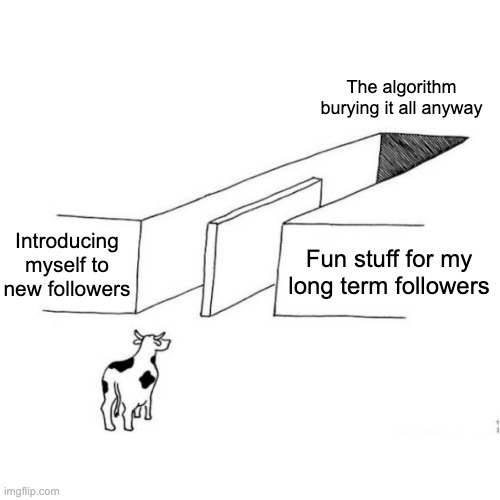
Stop trying to target everyone with one generic message, and start giving each reader exactly what they want to hear. Instead of clicking “unfollow” after another post that doesn’t interest them, they’ll get relevant information that deepens their relationship with you.
4. It Doesn’t Have to be Constant Sales
A daily newsletter purely focused on sales is definitely a turn off for most people, but you don’t have to do that. Unlike social media, you aren’t punished for not posting regularly, so you can pick a frequency that suits you and your audience. Emails also allow for a wider range of content, so there’s room to be more creative in what you offer. Clicking on a link in a email feels natural, but on social media links are often hidden in bios or loaded in a pop up browser designed to keep the user on the platform, not to properly display the webpage.
If you are selling a service, social media can also be difficult as you want to share helpful tips with your audience, but putting too much information out there just makes it easier for other people to copy what you do or steal your ideas. Email is a bit more private, as you know it won’t come up on searches for everyone to see.
Here’s some things you can include in your emails that aren’t just “buy this”:
- Helpful tips or advice related to your products or services: Keep this face cream in the fridge for extra soothing power, style this shirt in these different ways, don’t forget you can download the instructions for your device from our website and so on.
- Your expertise: Share your reactions to news, current events or trends that might interest your customers (e.g. Here’s how the new tax rules will affect your business, ten tips to keep your pets cool in a heatwave, or how to wear this season’s trousers for every body shape). If you already have a blog on your site, it’s easy to add a summary and a link into a newsletter to get even more value out of that content.
- Seasonal advice or reminders: Depending on your business, you might have regular activities that happen throughout the year. The most obvious is accountants sending a checklist of paperwork to assemble to before starting a tax return, but a gardening company could send a reminder that bulb planting season is coming up, or that now is the best time to prune fruit trees. If you sell a product that needs replacement parts or regular cleaning, you could send an email to remind people to put a new head on their toothbrush or run the drum clean cycle on their washing machine.
- Behind the scenes and previews: You might not feel comfortable putting this kind of information on social media for everyone to see but teasing new products or what goes in to providing your service makes your email audience feel like part of your inner circle.
- Fun extras: Including something like a joke, a recipe, a cute pet photo, a link to an interesting article or funny video in your emails gives subscribers a reason to read them even if they know they aren’t going to buy anything right now.
- Occasional offers: Everyone loves a special offer, but don’t feel you have to do one every week. It doesn’t have to be a discount either. You could offer newsletter subscribers early access to a new product or a referral code for a friend.
The people on your list are the ones most likely to buy from you, but they will only stay on your list if they enjoy hearing from you. Aim to make your emails useful and engaging and something readers look forward to opening, not something they immediately delete.
5. Email Comes With Clear, Actionable Stats
Unlike social media, where analytics might be extremely basic, or online ads, where the data can be incredibly complex to understand, email platforms tend to give you a better data about how your message performed. It’s also much easier to figure out how to improve your next message as a result.
- Open rates: How many people opened the email. Writing better subject lines can help this.
- Click-through rates: How many people clicked on any of the links in the email. It can be low because people didn’t see the link, or because they weren’t interested in the topic, so you may need to adjust the design or the content.
- Which links performed best: This can be useful for working out what the audience is most interested in. Do blogs links perform better than videos or vice versa? Does everyone click the first link and miss the second one?
- What time of day works: You can easily schedule emails in advance to arrive when your audience is most likely to be checking mails.
- Which topics or offers people respond to: Once you have sent a few mails, you’ll begin to see patterns in which ones do best.
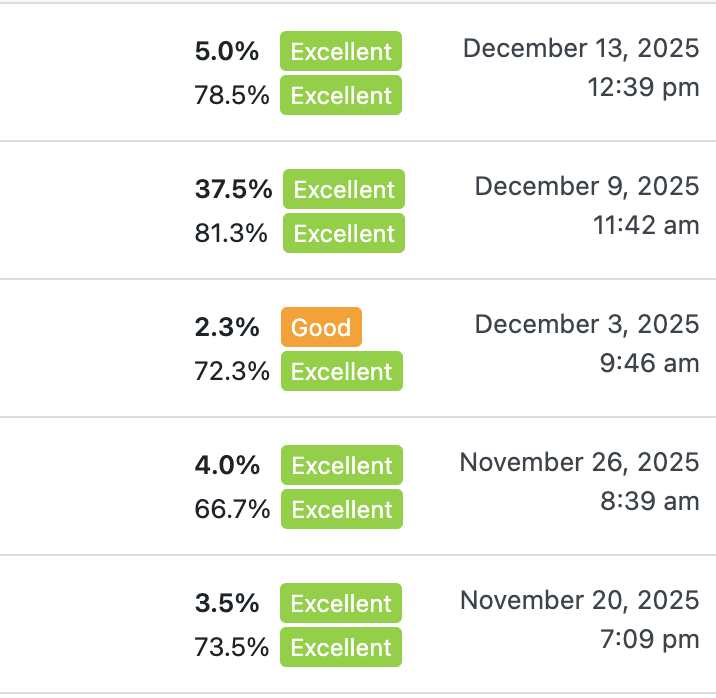
That means you can continually refine your approach, improving conversions over time. The more you send, the more you learn, and the better your results get.
It might feel a bit old fashioned but email is one of the most reliable, high-converting marketing tools available. You can reach your audience directly, build that trust with people who already care through highly personalised messages, and track exactly what works. It’s also more affordable than online ads and less time consuming than social media, which makes it even more surprising that so many businesses ignore it.
If you’re not using email as a core part of your marketing strategy yet, then maybe it’s time to reconsider?
Talking of which…